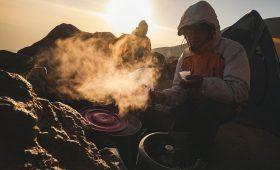
At more than 3,800 meters above sea level, Lake Titicaca is a place where the air feels thinner, the colors seem sharper, and the horizon never ends. Known as the highest navigable lake in the world, it sits between Peru and Bolivia, surrounded by snow-capped peaks and fertile valleys.
But beyond its natural beauty, Titicaca holds something even deeper a living connection to the ancestral spirit of the Andes. For centuries, its waters have been a source of life, legend, and identity for the communities that still call it home.

The Uros: Floating Worlds Made by Hand
Just a short boat ride from Puno lies one of the most fascinating human creations on Earth the floating islands of the Uros. These small, reed-covered islands are built entirely by hand from totora, a plant that grows abundantly in the lake’s shallows. Every few weeks, new layers of reeds are added to keep the islands afloat.
Walking on them feels almost surreal soft, bouncy, and alive beneath your feet. The people of Uros have lived this way for generations, maintaining their traditions of fishing, craftsmanship, and hospitality despite the modern world surrounding them.
Visitors are welcomed with smiles and stories. You’ll learn how every house, every boat, and even the islands themselves are woven from reeds. The Uros explain how they read the lake’s moods, how they teach their children, and how they continue to preserve their culture while adapting to tourism. It’s a balance between survival and pride, between the past and the present and it’s truly humbling.

Taquile: A Timeless Island in the Sky
A little farther across the lake, Taquile Island rises from the deep blue waters like a world untouched by time. Life here moves slowly. The people of Taquile live by ancient Andean principles of community and harmony working together, sharing equally, and respecting the land.
There are no cars, no noise, just narrow stone paths that wind through terraced hills and endless views of the shimmering lake below.

Taquile is famous for its textile art, recognized by UNESCO as part of the world’s Intangible Cultural Heritage. Men knit intricate hats that reveal their social status and origin, while women weave colorful fabrics that tell stories of nature, family, and identity.
Staying overnight with a local family is a highlight eating quinoa soup by candlelight, watching the stars reflected in the lake, and waking up to the quiet sound of waves lapping at the shore.
When to Visit and How to Experience It
The best time to visit Lake Titicaca is during the dry season, from April to November, when the days are bright and the lake’s reflections are at their most beautiful.
Mornings are crisp, afternoons warm, and sunsets unforgettable the sky turns from gold to pink, then deep indigo over the mountains.
Daily boats depart from Puno’s main pier, offering half-day, full-day, or multi-day tours that include both the Uros and Taquile islands.
For those with more time, consider spending a night in a local homestay not in a hotel, but in the heart of a community, where the true spirit of Titicaca comes alive.
Traveling with Purpose
Visiting Lake Titicaca isn’t just about seeing a place — it’s about understanding a way of life that has endured for centuries.
Choosing community-based tourism ensures your visit supports local families directly. Buy crafts from the hands that made them, share a meal, listen to their stories. Every simple interaction becomes an exchange of cultures respectful, real, and lasting.
Because here, on the world’s highest lake, time doesn’t rush. It flows, like the water, slowly and beautifully reminding you that authenticity still exists in the Andes.